Today is my last day in Germany. Appropriately, it is raining -- but I did have some beautiful warm fall weather during my 2.5 week stay. I'll be sad to leave, especially since I don't get to see my parents and siblings very often, but I'm also happy to be heading back to Alaska. I miss my husband and kids, and even the cold (they have 5" of snow already).
I'm going to miss speaking German.
I'll miss the food, especially breads and cakes (but I'll be eating healthier at home).
I won't miss the crowds of people.
I'll miss the cultural opportunities, especially classical music.
I won't miss German toilets.
I'll miss hearing the large variety of dialects and languages spoken.
I won't miss how little space there is here: streets, parking spots, kitchens, etc.
I'll miss how environmentally conscious the typical German is; at least compared to the average Americans.
I'll miss the fact that one can get most anywhere by public transport or bicycle.
I'll miss the food (I already said that), and the wine and beer!
Most of all, I will miss my German family!
Showing posts with label Germany. Show all posts
Showing posts with label Germany. Show all posts
Tuesday, November 9, 2010
Monday, November 8, 2010
Where the witches dance

Every morning here in Germany I head into the forest behind my parents' home and take a brisk walk. I love being alone in the woods, inhaling the scent of decaying fall foliage, (as opposed to the car exhausts on the streets and Autobahn) . As I walk/jog along, I pass several old bomb craters from WW2 and remains of old bunkers, a reminder of the many battles fought along the German-French border.
There are lots of different paths in these woods, but they all lead to a clearing called the "Hexentanzplatz" (where the witches dance), which also features an old stone monument from the time of the Romans. I' m amazed at all the history I'm surrounded by -- every piece of ground here has been inhabited, and probably fought over, for thousands of years.
An American who lives here told me this story: A German was telling her about a building that was very old, bragging "This is older than your country!". She jokingly retorted something along the line of "What if I don't care?". The German responded with "See, that right there is the problem with you Americans!"
Well, I am in awe of all the history that surrounds me here in Germany -- but I can also see how history/tradition/religion/culture can be used as an excuse for not changing, for hanging on to old prejudices. When I recently spoke with a cousin who is rather unconventional, she quibbed "During the Middle Ages they would have burned me as a witch!" I thought that was a strange thing to say, not something that I give much thought to in my daily life. On a tour of a nearby town the next day she pointed out a basket suspended above the river that was used to dunk witches or other dissenters until they drowned (if they survived it was considered proof of sorcery, and if they didn't, o well!).
There are lots of different paths in these woods, but they all lead to a clearing called the "Hexentanzplatz" (where the witches dance), which also features an old stone monument from the time of the Romans. I' m amazed at all the history I'm surrounded by -- every piece of ground here has been inhabited, and probably fought over, for thousands of years.
An American who lives here told me this story: A German was telling her about a building that was very old, bragging "This is older than your country!". She jokingly retorted something along the line of "What if I don't care?". The German responded with "See, that right there is the problem with you Americans!"
Well, I am in awe of all the history that surrounds me here in Germany -- but I can also see how history/tradition/religion/culture can be used as an excuse for not changing, for hanging on to old prejudices. When I recently spoke with a cousin who is rather unconventional, she quibbed "During the Middle Ages they would have burned me as a witch!" I thought that was a strange thing to say, not something that I give much thought to in my daily life. On a tour of a nearby town the next day she pointed out a basket suspended above the river that was used to dunk witches or other dissenters until they drowned (if they survived it was considered proof of sorcery, and if they didn't, o well!).
Sunday, November 7, 2010
Taking care of friendships
There is a German expression: "Freudschaften pflegen" which translates loosely to taking care of friendships. But the word pflegen (=caring) implies a level of care that is more along the line of nursing or even healing. And indeed, Germans do treat friendships very differently from mere acquaintances ("Bekanntschaft" in German).
Blogger Amiexpat wrote recently about making friends in Germany, and I found the discussion very interesting. Americans are quick to make friends while Germans take it very slow and steady -- it often takes years before they decide to use first names and use "Du" instead of the formal "Sie". It is also true in both countries that as we get older we have a more difficult time making friends -- for some people in both the US and Germany, the only close friendships are those made in school/university years. I think that is sad: especially given how much more mobile society is becoming, many become lonelier as friends move away or pass on.
I have not always been good in the "Freundschaft pflegen" department: not only have I moved a lot, but have not been the best at correspondence or picking up the phone. Facebook has helped me (and many others) reconnect with old friends who we've lost touch with -- but Facebook per se is no substitute for friendships, but only a first step in re-connecting.
Yesterday I had the wonderful opportunity to spend a day with an old highschool friend from the Philippines. We had found each other on Facebook after some 30-odd years, and since she lives in Belgium now, we we able to meet up during my Germany visit. It was GREAT-- we found that we had a great deal in common (besides our gray hair we both refuse to dye). Sometimes old friends grow apart over time (becoming fundamentalist Christians, greedy businessmen/women, or even Tea Party Republicans) -- but luckily my friend is none of those!
And now I've got some serious Belgian chocolate to haul back in my suitcase. Thanks Meg!
Blogger Amiexpat wrote recently about making friends in Germany, and I found the discussion very interesting. Americans are quick to make friends while Germans take it very slow and steady -- it often takes years before they decide to use first names and use "Du" instead of the formal "Sie". It is also true in both countries that as we get older we have a more difficult time making friends -- for some people in both the US and Germany, the only close friendships are those made in school/university years. I think that is sad: especially given how much more mobile society is becoming, many become lonelier as friends move away or pass on.
I have not always been good in the "Freundschaft pflegen" department: not only have I moved a lot, but have not been the best at correspondence or picking up the phone. Facebook has helped me (and many others) reconnect with old friends who we've lost touch with -- but Facebook per se is no substitute for friendships, but only a first step in re-connecting.
Yesterday I had the wonderful opportunity to spend a day with an old highschool friend from the Philippines. We had found each other on Facebook after some 30-odd years, and since she lives in Belgium now, we we able to meet up during my Germany visit. It was GREAT-- we found that we had a great deal in common (besides our gray hair we both refuse to dye). Sometimes old friends grow apart over time (becoming fundamentalist Christians, greedy businessmen/women, or even Tea Party Republicans) -- but luckily my friend is none of those!
And now I've got some serious Belgian chocolate to haul back in my suitcase. Thanks Meg!
Thursday, November 4, 2010
Dirndls: old, new and recycled
Yesterday my "Tante" and I went into downtown Munich to go Dirndl-shopping.
What's a dirndl, you may ask. Originally, the word "Dirn" referred to a young girl, but eventually "Dirndl" became the name of the traditional dress worn by girls in the Alps, Southern Germany and Austria. The dress traditionally consists of a blouse, bodice, skirt and apron. How the apron is tied has important symbolism: tied on the front on the wearer's right means she is "taken" (married or engaged), whereas tied on the left means she's available. Somewhere I heard that when tied on the back, the wearer is widowed -- so make sure you don't get this important fashion detail wrong!
My eldest daughter went to Oktoberfest with my sister's family last year when she visited Munich. This October, I dug out my old dirnlds for our Alaskan Oktoberfest (see photos here), and Eldest had so much fun wearing my old dirndl that she asked me to bring her back a dirndl from this Germany trip. But not one that modestly buttons way up to the collar -- no, siree! Rather, Eldest wants a traditional dirndl that displays the goods, where tying the apron strings on the left will bring the desired results!
A genuine dirndl can be pricey. My sister had found a lovely dirndl at a second-hand store called "Resales", and that's where my Tante and I went on my last day in Munich. And we did find a lovely silk dirndl for Eldest (new, but reduced to 79 Euros).
Then we started looking for a dirndl for me! First I tried on some dresses that made me look like a good matronly German Hausfrau! But then we did find a used dirnld for 19 Euros that made even me look sexy -- all I need now is a proper bra to let this dirndl shine in its full glory -- I'm sure the bra will cost more than the dirndl!
Lastly I need to tell you a German wartime story: My grandmother, who fled from the Russians invading Berlin with 5 small children, did manage to bring along her sewing machine. After the war, she took apart a Nazi flag (red background, white circle and black swastika), and sewed dirndl for her 3 girls from the material!
What's a dirndl, you may ask. Originally, the word "Dirn" referred to a young girl, but eventually "Dirndl" became the name of the traditional dress worn by girls in the Alps, Southern Germany and Austria. The dress traditionally consists of a blouse, bodice, skirt and apron. How the apron is tied has important symbolism: tied on the front on the wearer's right means she is "taken" (married or engaged), whereas tied on the left means she's available. Somewhere I heard that when tied on the back, the wearer is widowed -- so make sure you don't get this important fashion detail wrong!
My eldest daughter went to Oktoberfest with my sister's family last year when she visited Munich. This October, I dug out my old dirnlds for our Alaskan Oktoberfest (see photos here), and Eldest had so much fun wearing my old dirndl that she asked me to bring her back a dirndl from this Germany trip. But not one that modestly buttons way up to the collar -- no, siree! Rather, Eldest wants a traditional dirndl that displays the goods, where tying the apron strings on the left will bring the desired results!
A genuine dirndl can be pricey. My sister had found a lovely dirndl at a second-hand store called "Resales", and that's where my Tante and I went on my last day in Munich. And we did find a lovely silk dirndl for Eldest (new, but reduced to 79 Euros).
Then we started looking for a dirndl for me! First I tried on some dresses that made me look like a good matronly German Hausfrau! But then we did find a used dirnld for 19 Euros that made even me look sexy -- all I need now is a proper bra to let this dirndl shine in its full glory -- I'm sure the bra will cost more than the dirndl!
Lastly I need to tell you a German wartime story: My grandmother, who fled from the Russians invading Berlin with 5 small children, did manage to bring along her sewing machine. After the war, she took apart a Nazi flag (red background, white circle and black swastika), and sewed dirndl for her 3 girls from the material!
Tuesday, November 2, 2010
Munich with my favorite aunt
The last couple of days I spent in the Bavarian capital, München: my sister lives here with her family. After a whirlwind get-together with her family, they've flown the coop, and now it's just my "Tante" and I. As is so often the case with my extended German family, it's been well over a decade since I've seen her, as she lives way up North in Hamburg. It was great to spend quality time with her -- the kind you get only during long walks or car rides, or in the evening after everybody else has gone to bed!
My Tante and I are having a wonderful time. She's my mother's youngest sister: energetic, eccentric, funny but also very insightful. She and I drove to the Altmühltal where one of my many cousins lives on a farm. I promise I'll post pictures and write about that visit at a later point -- a sweet great-niece (nearly 3 years old), pigs, horses, mother-in-law stories -- it was a great visit!
Today we returned to Munich (and only got lost once on the Autobahn), and then got together for "Kaffeetrinken" with a blogging pal of mine, Honeypiehorse of Our Feet are the Same. This is only the 2nd time I've met a blogging acquaintance, and once again, it was really fun!
Honeypiehorse (HPH for short) is a literal translation of "Honigkuchenpferd" -- something that only a German would understand! HPH is American (Californian) and lives in Munich with her German (Bavarian) husband and 2.7 children. I found her blog when I started blogging a few years ago, and it is definitely one of my favorites! She's an amazing woman: I admire anybody who can learn not only our crazy language (which she speaks "ausgezeichnet"), but our culture as well. I'm so glad we met, and that my Tante from Hamburg was willing to venture driving Munich's "Mittlere Ring" during rush hour. DANKESCHÖN.
My Tante and I are having a wonderful time. She's my mother's youngest sister: energetic, eccentric, funny but also very insightful. She and I drove to the Altmühltal where one of my many cousins lives on a farm. I promise I'll post pictures and write about that visit at a later point -- a sweet great-niece (nearly 3 years old), pigs, horses, mother-in-law stories -- it was a great visit!
Today we returned to Munich (and only got lost once on the Autobahn), and then got together for "Kaffeetrinken" with a blogging pal of mine, Honeypiehorse of Our Feet are the Same. This is only the 2nd time I've met a blogging acquaintance, and once again, it was really fun!
Honeypiehorse (HPH for short) is a literal translation of "Honigkuchenpferd" -- something that only a German would understand! HPH is American (Californian) and lives in Munich with her German (Bavarian) husband and 2.7 children. I found her blog when I started blogging a few years ago, and it is definitely one of my favorites! She's an amazing woman: I admire anybody who can learn not only our crazy language (which she speaks "ausgezeichnet"), but our culture as well. I'm so glad we met, and that my Tante from Hamburg was willing to venture driving Munich's "Mittlere Ring" during rush hour. DANKESCHÖN.
Frühsport with Yodeling
Every morning my father and I took a brisk walk in the forested hill behind my parent's house.
Our last morning together before his trip there was a dense fog in the whole valley, and we kept climbing higher and higher through the beech-oak forest to get above the fog. The sun was shining by the time we got to the top, the Schwarzenburger Turm. We climbed the tower and had a wonderful view of the surroundings -- you'll have to wait until I get back home and download the pictures to see!
On our way back down the stairs we passed an elderly gentleman and said "Guten Morgen!". We had nearly gotten to the entrance when we heard him yodeling at the top -- an amazing sound with all the echos of the tower's stairwell.
And the Saarland is not anywhere near the Alps -- but the tower worked perfectly!
Our last morning together before his trip there was a dense fog in the whole valley, and we kept climbing higher and higher through the beech-oak forest to get above the fog. The sun was shining by the time we got to the top, the Schwarzenburger Turm. We climbed the tower and had a wonderful view of the surroundings -- you'll have to wait until I get back home and download the pictures to see!
On our way back down the stairs we passed an elderly gentleman and said "Guten Morgen!". We had nearly gotten to the entrance when we heard him yodeling at the top -- an amazing sound with all the echos of the tower's stairwell.
And the Saarland is not anywhere near the Alps -- but the tower worked perfectly!
Tuesday, October 26, 2010
Humor from Cologne
My father is "Kölsch" -- which means from the city of Köln am Rhein (Cologne/Rhine). He is a very serious German and speaks standard or "High" German, but once you get a few glasses of wine into him, his more light-hearted side and the Kölsch dialect from his childhood start to emerge.
I too was born in Köln, but moved away as a wee little lassie. Perhaps I'm so serious (straight-laced) because I did not spend enough time in Köln or the Rhineland...?
Next to my father's computer, there are some "Ground Rules for Life" consisting of expressions in the Kölsch dialect, in red following the "Hochdeutsch" or High German, then my English translation below. Part of what makes this funny is the contract between the high-fallooting (sp?) High German and the simple Kölsch expressions.
Artikel 1: Sieh den Tatsachen ins Auge. Et es wie et es!
Look facts in the eye. Kölsch literally: It is what it is! /Things are what they are!
Artikel 2: Habe keine Angst vor der Zukunft. Et kütt wie es kütt!
Don't be afraid of the future. Kölsch literally: It comes as it comes!
Artikel 3: Lerne aus der Vergangenheit. Et hätt noch immer jot jejange!
Learn from the past. Kölsch literally: It went well -- barely!
Artikel 4: Jemmere den Dingen nicht nach. Wat fott es, es fott!
Don't mourn for things that are gone. What is gone, is gone!
Artikel 5: Sei offen fuer Neuerungen. Et bliev nix wie es wor!
Be open to new things. Nothing stays as it was!
Artikel 6: Sei kritisch, wenn Neuerungen überhand nehmen.
Kenne mer nit, bruche mer nit, fott domet!
Be critical of new things. Don't know it, we don't need it, get rid of it!
Artikel 7: Füge Dich in dein Schicksal. Wat wellste maache!
Accept your fate. Whatcha gonna do!
Artikel 8: Achte auf deine Gesundheit. Maach et jot, ävver nit ze of!
Take care of your health. Do the right thing, but not too often!
Artikel 9: Stelle immer zuerst die Universalfrage. Wat sull dä Quatsch!
First ask the universal question. What is this nonsense!
Artikel 10: Komm dem Gebot der Gastfreundschaft nach. Drinkste ene met!
Follow the rule of hospitality. Have a drink with us!
Artikel 11: Beware dir eine gesunde Einstellung zum Humor. Do laachs de dich kapott!
Keep a good sense of humor. Laugh till you break!
I too was born in Köln, but moved away as a wee little lassie. Perhaps I'm so serious (straight-laced) because I did not spend enough time in Köln or the Rhineland...?
Next to my father's computer, there are some "Ground Rules for Life" consisting of expressions in the Kölsch dialect, in red following the "Hochdeutsch" or High German, then my English translation below. Part of what makes this funny is the contract between the high-fallooting (sp?) High German and the simple Kölsch expressions.
Artikel 1: Sieh den Tatsachen ins Auge. Et es wie et es!
Look facts in the eye. Kölsch literally: It is what it is! /Things are what they are!
Artikel 2: Habe keine Angst vor der Zukunft. Et kütt wie es kütt!
Don't be afraid of the future. Kölsch literally: It comes as it comes!
Artikel 3: Lerne aus der Vergangenheit. Et hätt noch immer jot jejange!
Learn from the past. Kölsch literally: It went well -- barely!
Artikel 4: Jemmere den Dingen nicht nach. Wat fott es, es fott!
Don't mourn for things that are gone. What is gone, is gone!
Artikel 5: Sei offen fuer Neuerungen. Et bliev nix wie es wor!
Be open to new things. Nothing stays as it was!
Artikel 6: Sei kritisch, wenn Neuerungen überhand nehmen.
Kenne mer nit, bruche mer nit, fott domet!
Be critical of new things. Don't know it, we don't need it, get rid of it!
Artikel 7: Füge Dich in dein Schicksal. Wat wellste maache!
Accept your fate. Whatcha gonna do!
Artikel 8: Achte auf deine Gesundheit. Maach et jot, ävver nit ze of!
Take care of your health. Do the right thing, but not too often!
Artikel 9: Stelle immer zuerst die Universalfrage. Wat sull dä Quatsch!
First ask the universal question. What is this nonsense!
Artikel 10: Komm dem Gebot der Gastfreundschaft nach. Drinkste ene met!
Follow the rule of hospitality. Have a drink with us!
Artikel 11: Beware dir eine gesunde Einstellung zum Humor. Do laachs de dich kapott!
Keep a good sense of humor. Laugh till you break!
Herzlich Willkommen in Deutschland
I made it to old Germanz (the y & z are reversed on the German keyboard -- causing me to constantly mistype)! Still it's easier and cheaper than using my iphone without wireless!
My brother picked me up in Frankfurt and I was going to stay 2 nights, but an impending strike by railroad workers made me decide to hop on the train the next morning and get to parents' house while the transportation system was still running uninterrupted. I arrived in Saarbrücken just fine, albeit still jet-lagged -- although there is no direct connection between the 2 towns and I had to transfer several times, everything went smoothly with German efficiency and punctuality.
It's good to be "zuhause" or home, but of course "home" now is in Alaska with mz husband and children. We talked this morning on the phone (their bedtime), and they just got their first snow (brrr!). Here we have beautiful fall weather with frost and fog in the morning, then sunny during the day. My father and I just took a nice walk through the beech forest on the hill behind their house. My mom and I got to sewing/quilting right away and I'm thoroughly enjoying all the pastries, bread, cheeses and Wurst -- seems like it is always mealtime, "Brotzeit" or "Kaffeetrinken".
I'm starting to work on a list of "Best and Worst" of being back in Germany, and I already know that toilets feature on the latter. I'm loving the beauty of the countryside: the quaint houses and gardens (often build into the hillside making use of every last square meter) and the churchtower in the middle of town, often with an old castle overlooking the village. I have a feeling that I'll be looking like a tourist everywhere with my camera -- it's an interesting experience documenting one's childhood turf as an adult!
Tschüss! Bis bald...
My brother picked me up in Frankfurt and I was going to stay 2 nights, but an impending strike by railroad workers made me decide to hop on the train the next morning and get to parents' house while the transportation system was still running uninterrupted. I arrived in Saarbrücken just fine, albeit still jet-lagged -- although there is no direct connection between the 2 towns and I had to transfer several times, everything went smoothly with German efficiency and punctuality.
It's good to be "zuhause" or home, but of course "home" now is in Alaska with mz husband and children. We talked this morning on the phone (their bedtime), and they just got their first snow (brrr!). Here we have beautiful fall weather with frost and fog in the morning, then sunny during the day. My father and I just took a nice walk through the beech forest on the hill behind their house. My mom and I got to sewing/quilting right away and I'm thoroughly enjoying all the pastries, bread, cheeses and Wurst -- seems like it is always mealtime, "Brotzeit" or "Kaffeetrinken".
I'm starting to work on a list of "Best and Worst" of being back in Germany, and I already know that toilets feature on the latter. I'm loving the beauty of the countryside: the quaint houses and gardens (often build into the hillside making use of every last square meter) and the churchtower in the middle of town, often with an old castle overlooking the village. I have a feeling that I'll be looking like a tourist everywhere with my camera -- it's an interesting experience documenting one's childhood turf as an adult!
Tschüss! Bis bald...
Monday, October 18, 2010
Oktober and Germany

Oktober and Germany go together like beer and brats!
I'm very excited to be flying to the "Old Country" at the end of this week to visit my family. Alas, I'm leaving behind my own husband and kids.
Here are some pictures from last weekend's Oktoberfest: My girls and I dressed up in our dirndls, the traditional German/Bavarian dress.


Monday, November 9, 2009
Berlin Wall tumbling down...

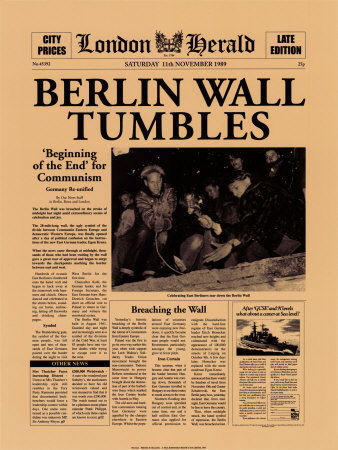
Today is the 20th anniversary of the Berlin Wall tumbling down. What a momentous event!
Most everyone remembers exactly where they were when they heard big-momentous news --such as when the twin towers came down on 9/11/2001, or when the Challenger blew up, or the Kennedy assassination (well I was barely out of diapers on that one...)
And I hate to admit that I barely remember the Berlin Wall tumbling down -- my own life at the time was tumbling down around me: my then-husband had left me and my 2-yr old daughter...
But life has a way of going forward, my life turned around, and my then 2-yr old daughter (Eldest) has just now returned from a month in Germany, full of stories "Berlin was my absolute favorite city -- it's the best party town, ever!"
Full circle. I've been to Berlin only once as a young adult, when I was around her age, and remember vividly the divided city: East Germany with it's graying buildings that still had bullet holes from WW2, the East German police with their guns and dogs when our train pulled into their stations, then crossing the border, giving way to colorful,
 lively, and yes "Party-town" West Berlin!
I heard on the radio this morning that for a few euros you can buy fake passports with East German transit stamps in them -- I still have one that's for real! Never would have guessed back then that someday it would be a souvenir of a bygone era...
Monday, October 5, 2009
Eldest in Munich
 She made it to Munich, and even to the "tail" end of Oktoberfest!
Here's my sister (in the dirndl) and my daughter -- you can see the family resemblance. How I wish I could be there too...
This week I'm cooking German food in their honor (see Borealkitchen, my other blog).
As we were sitting around a good German meal last night, the kids were comparing notes on their visit last summer to Munich and their Tante Elke, my younger sister.
Youngest: "She's like a darker-haired version of mom, and really funny."
Me: "How's that?"
Wolfman: "She's a trickster-version of you, mom! I love how she made fun of you. Like teasing your American pronunciation of 'genau'."
Eldest is blogging about her experiences in Germany on her blog Kitchensister.
Tuesday, September 29, 2009
Expat meme
Frankly, I don't really like memes, but here's one I find myself wanting to take. It's from the blog Letters home to you, who does not care for memes either -- that why I could call it a non-memer's meme:)
Ian (who is Canadian living in Germany) answers are in black bold. Mine are in red (German living in US). I'm surprised how similar some of the answers are!
How long have you lived away from your home country? Going on 20 years. 30 years and counting...
Do you still feel like you’re just visiting? All the time. I’m serious. Ditto.
What do you notice the most has changed about your home country when you go back for a visit? More American influence in media, language and culture in general. Ditto.
If you were to move again, would it be back to your home country? Without a doubt. Actually no, but I'd love to spend more time visiting, perhaps even a year-long sabbatical, but I'm not sure I'd want to live there permanently.
Do you ever get homesick? Only in the run-up to a holiday back home. You can tell right here because I start to write memory-laden posts about the old days. Ditto.
If you read the news, do you read it in your native language or that of your host country? English mostly, but German and French as well. I rarely get ahold of German reading material.
What do you like the most about living in your host country? The amount of free time I have. It’s something I value very highly. That and no Sunday shopping. One day a week where consumerism has to hit the brakes. I like the wide open spaces -- there's still wilderness left here.
What grates you the most? Whiners who bitch and moan about Germany but refuse to leave, offering up a dozen excuses for not doing so. Get the hell out if you don’t like it. What are you waiting for? Someone to decide for you? What grates on me is selfishness of Americans: the "why should I care about the world's dwindling resources -- there's plenty enough for me..."
Did you speak the language of your host country before you arrived? Not a bit.Yes.
How long did it take before you felt comfortable speaking the language? I’m still not completely comfortable unless I’ve had a couple glasses of beer.  I'm very comfortable in English and am understood just fine, but beer still helps to get over being conscious of being different.
If people switch to your language when you speak to them in their language, how do you react? I like it! It means they’re reaching out for a connection, which is good, so I usually say something back in English to see how far it will go. I like it when somebody speaks German to me, but if pronunciation is poor and I can't understand it, then that's awkward.
What has been the biggest change you’ve had to make in leaving your home country? In Hamburg, I can’t go hiking in the mountains. There’s no skiing or mountain biking worth getting excited about for a thousand km, and I can’t just drop by a tennis court anytime and start playing. Food, culture, Gemuetlichkeit.
Friday, August 28, 2009
Healthcare debate
When I first came to this country, people would asked me if I came from the "socialist or communist" Germany -- and why the heck was it called "democratic" when it isn't? Don't they get free healthcare, and have no choices and freedoms?
Well, I hardly knew where to start answering! In broken English I'd try to explain that
(a) I came from West Germany, which was democratic (official name was Federal Republic of Germany) while East Germany (even if the name was German Democratic Republic) was communist, but that (b) West Germany did also have "socialized" healthcare, but it was not free - it was paid for by taxes (doesn't anybody understand that nothing is ever truly free?), and that you still had choices & freedom, and, most difficult of all (c) that socialism does not equal communism!
Today, I just came across a blog new to me, Solipsist, by a writing teacher. I really enjoyed his discussion on healthcare, and he offers an excellent explanation as to why Americans are so scared by the word "socialized" in front of Medicine.
and here I quote the Solipsist:
How is it broken? Let me count the ways... the US spends much more on healthcare per patient without delivering better health; the unfairness of denying coverage because of pre-existing conditions, the huge number of un-insured and under-insured, and on and on...
Let me just give you one tiny lousy example of BROKEN: a gainfully employed (but under-insured) friend of ours ended up making the risky choice of NOT going to the emergency room with a dangerous bowl obstruction, risking rupture (and thus possibly death), because he simply could not afford it -- he's still paying off the bills from his last one several years ago that precipitated a HUGE chain of medical problems. Note also that an indigent or homeless person in the same situation would have been treated for free. THERE IS SOMETHING TERRIBLY WRONG WITH THAT!
Don't get me wrong: I don't think that it's "unfair" when the homeless get treated in the Emergency Room-- it's the compassionate thing to do: we don't let people die in the streets! I digress here, but there is a whole big problem with homelessness in this country, and much of it has to do with how poorly we deal with mental illness, and again, healthcare reform could help...
I think that access to affordable healthcare should be a basic right just like access to education -- maybe it would help if called our public school system "socialized education". Most countries have just that, including ours, as it is obviously in a society's best interest to educate its citizens. Imagine a world where not everybody could afford to send their kids to school -- what kind of a heartless society would that make us?
Here's an account of a British(-American) Mommy blogger entitled "Hey America, socialised medicine is not that bad!", very enlightening!
I also recommend any of Honeypiehorse's social commentaries: very insightful.
Well, I hardly knew where to start answering! In broken English I'd try to explain that
(a) I came from West Germany, which was democratic (official name was Federal Republic of Germany) while East Germany (even if the name was German Democratic Republic) was communist, but that (b) West Germany did also have "socialized" healthcare, but it was not free - it was paid for by taxes (doesn't anybody understand that nothing is ever truly free?), and that you still had choices & freedom, and, most difficult of all (c) that socialism does not equal communism!
Today, I just came across a blog new to me, Solipsist, by a writing teacher. I really enjoyed his discussion on healthcare, and he offers an excellent explanation as to why Americans are so scared by the word "socialized" in front of Medicine.
and here I quote the Solipsist:
...maybe people get turned off by the phrase "socialized," which makes them think of socialism. Now, here again, the main problem is that the word "socialism" has gotten a bad rap. Political scientist Robert Axelrod in a book about cooperation, effectively defined socialism (or at least a socialist state of mind) as "niceness." So what's the problem with "niceness"? Well, nothing, but many people equate "socialism" with "communism"--which are not the same thing--and "communism" with Russia and in particular with "Stalinism." The thing people don't realize is that calling Josef Stalin a socialist is like calling calling Tony "Scarface" Montana a pharmacist...Anyway, even if my family is among the lucky ones to have decent health insurance through an employer, I do feel that the AMERICAN HEALTHCARE SYSTEM IS BROKEN, and it needs FIXING!
How is it broken? Let me count the ways... the US spends much more on healthcare per patient without delivering better health; the unfairness of denying coverage because of pre-existing conditions, the huge number of un-insured and under-insured, and on and on...
Let me just give you one tiny lousy example of BROKEN: a gainfully employed (but under-insured) friend of ours ended up making the risky choice of NOT going to the emergency room with a dangerous bowl obstruction, risking rupture (and thus possibly death), because he simply could not afford it -- he's still paying off the bills from his last one several years ago that precipitated a HUGE chain of medical problems. Note also that an indigent or homeless person in the same situation would have been treated for free. THERE IS SOMETHING TERRIBLY WRONG WITH THAT!
Don't get me wrong: I don't think that it's "unfair" when the homeless get treated in the Emergency Room-- it's the compassionate thing to do: we don't let people die in the streets! I digress here, but there is a whole big problem with homelessness in this country, and much of it has to do with how poorly we deal with mental illness, and again, healthcare reform could help...
I think that access to affordable healthcare should be a basic right just like access to education -- maybe it would help if called our public school system "socialized education". Most countries have just that, including ours, as it is obviously in a society's best interest to educate its citizens. Imagine a world where not everybody could afford to send their kids to school -- what kind of a heartless society would that make us?
Here's an account of a British(-American) Mommy blogger entitled "Hey America, socialised medicine is not that bad!", very enlightening!
I also recommend any of Honeypiehorse's social commentaries: very insightful.
Friday, January 30, 2009
German ANGST: or why I worry about worrying

I worry a lot. It comes with the territory of being German. I used to worry even more, believe it or not, I've actually mellowed out somewhat!
Do I worry too much? I recently asked my husband. Am I too serious? It's a little bit like Rosanna Arquette's character in a movie asking her date "Do I have too many scars?"
Maybe worrying comes with the territory. Since the Holocaust, Germany has lived with tremendous guilt. It seems nearly inappropriate for us to crack jokes -- instead, we take ourselves and everything else extremely seriously. We're ever-vigilant, lest such a lapse in judgment happen again!
I used to think that worrying would help prevent making mistakes. For example, a parent worrying about their children getting hurt will be watchful enough not to let anything bad happen. But then somewhere along the line, I learned gradually that I can't control everything. Bad things can happen, and a parent can drive oneself crazy worrying. Sooo, I like to think that I've become more relaxed, altough some might argue that "relaxed" and "German" do not belong in the same sentence together.
Here's an excerpt from the book The German Way : Aspects of Behavior, Attitudes, and Customs in the German-Speaking World, by Hyde Flippo:
American expat Christina G. has put together an impressive list of books and posts dealing with Germany on her blog An American Expat in Deutschland. One of her recent post deals with German and American Historical guilt in Germany after WWII, a personal perspective. I strongly recommend that you check out her post and comments -- very thoughtful!The German word Angst, fear, came into the English language in the early 1940s. In its English, psychiatric sense, "angst" signifies a feeling of insecurity, anxiety, or apprehension. So it is only appropriate that the word comes to us from German, a language spoken by people who are constantly wracked by angst, and who almost seem to enjoy it.
Germans like to worry. They worry about politics. They worry about the environment. They worry about their national identity and their image abroad. They worry about the economy. They worry about worrying. It's not that Germans don't like to have a good time. It's just that they seem to be able to have a good time worrying. They enjoy discussing their worries. Criticism is a national pastime. Journalists do this on the editorial pages of newspapers and magazines. The average German does so in letters to the editor or over a beer at the local Gastwirtschaft. This Germanic trait is also carried on, to a lesser degree, by the Austrians and the German-speaking Swiss.
Opinion polls conducted in the German-speaking world tend to show a more pessimistic view of things than might generally be the case in many other countries. But, if challenged, the Germans, Austrians, and Swiss would tend to respond that they are merely being more realistic than the overly optimistic Pollyannas in other countries.
Wednesday, January 21, 2009
How did a Kraut end up in the Taiga?
Why "Borealkraut"? And exactly how did the Kraut end up in the Taiga (Northern or Boreal Forest)? Here is my story, told amidst the landscapes that shaped me:

I was born in Germany, to German parents. My dad finished his PhD when I was a year old, and started to look for a job. Long story, but he ended up with a teaching job in Chile. By the time I was three, my mom, baby brother and I boarded a big Oceanliner and sailed across the Atlantic, joining my father and settling in South America.

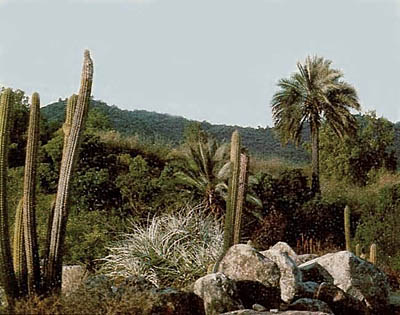
We absolutely loved Chile -- it was a great place to grow up! The climate is very mediterranean, similar to California: coast, mountains, semi-arid deserts. My little sister was born in Chile. We spend tons of time in the outdoors, and I remember the people and surroundings as a wonderful and friendly world. Little did I understand about the political maelstrom that was brewing there in the 1960's, as I was just a kid! I remember vaguely that my dad's university was occupied by radical students and he didn't teach or work for months -- all I know is we just got to play more with him! In 1970, Salvador Allende was elected (to be overthrown after 3 years by Augusto Pinochet) -- well, my family still had German citizenship and enough ties to Germany to make a beeline back. Our departure felt very sudden: one day I came home from school and somebody had just bought our couch and was carting it out the door. It was a difficult goodbye to a beloved landscape that felt like home.


My father found a job in Saarbruecken, and we started over -- a little bit like refugees: I literally slept on the floor until we gradually furnished a new house. I was 10 years old, and it was a tough adjustment for me. Although I spoke German fluently, I did not fit in well, and perceived Germans as harsh and unfriendly. It didn't help that I did not know how to use the formal "Sie", and said "Du" to my first German teacher! Plus I wrote left-handed, and it was way too late to force me to switch to using the right hand, marring this teacher's record of not having a single "leftie" in her career until I showed up! Not a good start! This teacher did not think I would ever amount to anything, but when I finished 4th grade, my parents enrolled me in the Ludwigsgymnasium (a college preparatory school) over my teacher's strong objections.

Gymnasium was definitely better, and I did well in school. But 5 years after our family's return to Germany, my father was looking for teaching jobs abroad again (we wanted to go "home" to Chile), but we ended up in the Philippines instead.


Vietnam was falling in 1975, and our Lufthansa flight was making a big detour around Indochina. Our family arrived in the Philippines to a completely new life and culture. First I had to cram and learn English. Tagalog, the official Filipino language, was not used for school instruction other than the one subject. So even though at first I could not tell any of the languages apart around me (the people of our region spoke Ilocano, not Tagalog) -- but after a while I caught on. We were first enrolled in a local Filipino school, but after we kids came home with heads full of lice, my parents decided to consider the American-International School where most of the foreigners sent their kids (at first they'd been warned against it because of, you know, those Americans and DRUGS!) But actually, I managed to graduate from High School without ever smoking (or even smelling) a marihuana joint -- the Philippines under Ferdinand Marcos were under a strict Martial Law! I witnessed some schoolmates getting caught with marihuana, carted off to jail and thrown out of the country -- that'll teach you never to touch the stuff!
So I managed to graduate with Honors etc., applied to US Colleges and managed to get a scholarship to Duke University in Durham, NC. That was my ticket to avoiding having to go back to German Gymnasium with its competitive Abitur system, so as a result I never returned to Germany!


I became a Southern Gal instead: I spent the next 5 years at Duke, earning my BS and Masters in Forestry. But it was still a ways before I found my way to Taiga...
My first job fresh out of Forestry School was based in Appomattox, Virginia (where the "War of Northern Agression" ended, as the locals are fond of pointing out). This was during the 80's with a bit of a recession going on, and I only had a temporary job and work visa. What to do with myself? I did not want to return to Germany, and had an interest in working in a Third World Country in a natural resources project, but without work experience, I could not find anything. Peace Corps would have been perfect for me, but alas, I wasn't an American citizen!
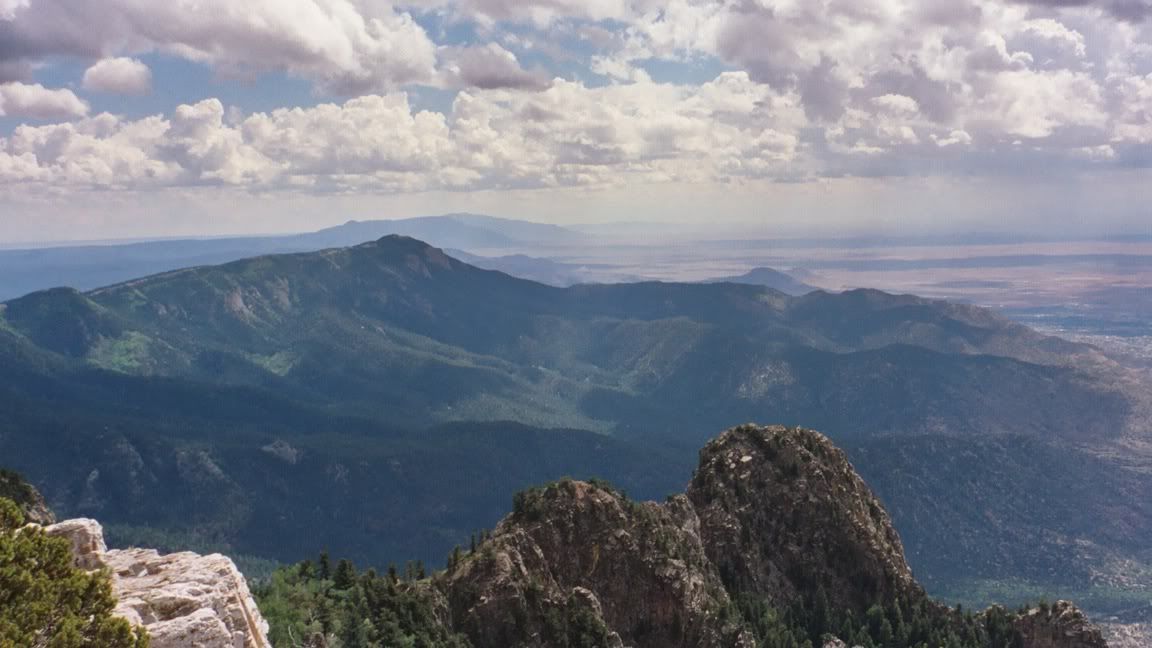

Around that time I somehow managed to hook back up with my old boyfriend, David, from Duke, who was headed to graduate school in New Mexico, and I thought that maybe I should try going back to school. So, I ended up at UNM in Albuquerque, but that lasted only for a year. The PhD advisor for both David and I had left, and we both decided to leave UNM. I realized that I did not really belong in a PhD program then and wanted to work, while David was accepted at a PhD program at our Alma Mater, Duke University. I thought it was all working out beautfully: we got married in Albuquerque by a Justice of the Peace -- for love I thought, but an added factor was that my student visa would run out... David told me years later that he had not felt ready to become a husband and later a father, but felt "rushed" into it, afraid that I would leave the US if we hadn't married...
So back across the US in a U-haul to settle in North Carolina, but first we flew to Germany for the wedding ceremony at my parents' home in Saarbruecken. That was a bit of a disaster too. Not immediately obvious, but my husband experienced enough culture shock (he'd never been outside the US) that he never really warmed up to my family or my German side -- he got to where he hated my accent, and thought I should work harder at getting rid of it.
Back at Duke University, meanwhile, life was good. I worked as a Research Associate for the same professor who was David's PhD advisor. We both got to fly to Interior Alas ka for a research project in the summer of 1986. For his PhD thesis, David chose Alaska, and he returned for 2 more summers. But I was back at Duke with a brandnew baby. I was not to return to Alaska for another decade!
David's advisor, who was also my boss, accepted a job at Colorado State University, so we followed him across the country to the Rocky Mountains. The next few years were difficult ones: David left me; I was a single mom. I eventually decided to go back to school for my PhD, met my husband Peter, who was finishing his PhD in Atmospheric Science. We had a baby boy (Wolf), never did finish my PhD, and in 1996 ended up in Fairbanks, Alaska. Amazingly enough my ex, David, got a job in Fairbanks in the same year, and Eldest daughter was able to continue to grow up with both parents living in the same town.
Our youngest (Liesl) was born in Fairbanks, and then Peter accepted a job at the University of Alaska, Anchorage. We moved to Eagle River, a bedroom community North of Anchorage, where I found a wonderful job at a Nature Center. This is our 10th year of living here, and Alaska truly feels like home.
I've lived in the US for 30 years now, and it is my home. My family used to wonder why I never returned to Germany -- and I have to point out to them that I really have not spent much of my life in Germany (really only 5 years outside of infancy). As much as I was shaped by Germany culturally, I was also very much shaped by the people and landscapes of the other countries I have lived in.
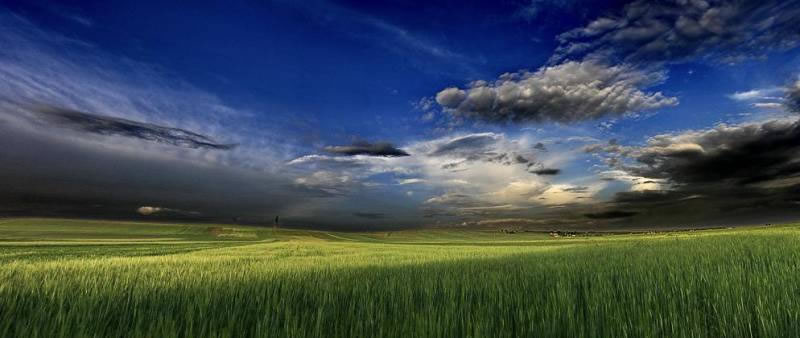
I was born in Germany, to German parents. My dad finished his PhD when I was a year old, and started to look for a job. Long story, but he ended up with a teaching job in Chile. By the time I was three, my mom, baby brother and I boarded a big Oceanliner and sailed across the Atlantic, joining my father and settling in South America.
We absolutely loved Chile -- it was a great place to grow up! The climate is very mediterranean, similar to California: coast, mountains, semi-arid deserts. My little sister was born in Chile. We spend tons of time in the outdoors, and I remember the people and surroundings as a wonderful and friendly world. Little did I understand about the political maelstrom that was brewing there in the 1960's, as I was just a kid! I remember vaguely that my dad's university was occupied by radical students and he didn't teach or work for months -- all I know is we just got to play more with him! In 1970, Salvador Allende was elected (to be overthrown after 3 years by Augusto Pinochet) -- well, my family still had German citizenship and enough ties to Germany to make a beeline back. Our departure felt very sudden: one day I came home from school and somebody had just bought our couch and was carting it out the door. It was a difficult goodbye to a beloved landscape that felt like home.
My father found a job in Saarbruecken, and we started over -- a little bit like refugees: I literally slept on the floor until we gradually furnished a new house. I was 10 years old, and it was a tough adjustment for me. Although I spoke German fluently, I did not fit in well, and perceived Germans as harsh and unfriendly. It didn't help that I did not know how to use the formal "Sie", and said "Du" to my first German teacher! Plus I wrote left-handed, and it was way too late to force me to switch to using the right hand, marring this teacher's record of not having a single "leftie" in her career until I showed up! Not a good start! This teacher did not think I would ever amount to anything, but when I finished 4th grade, my parents enrolled me in the Ludwigsgymnasium (a college preparatory school) over my teacher's strong objections.
Gymnasium was definitely better, and I did well in school. But 5 years after our family's return to Germany, my father was looking for teaching jobs abroad again (we wanted to go "home" to Chile), but we ended up in the Philippines instead.
Vietnam was falling in 1975, and our Lufthansa flight was making a big detour around Indochina. Our family arrived in the Philippines to a completely new life and culture. First I had to cram and learn English. Tagalog, the official Filipino language, was not used for school instruction other than the one subject. So even though at first I could not tell any of the languages apart around me (the people of our region spoke Ilocano, not Tagalog) -- but after a while I caught on. We were first enrolled in a local Filipino school, but after we kids came home with heads full of lice, my parents decided to consider the American-International School where most of the foreigners sent their kids (at first they'd been warned against it because of, you know, those Americans and DRUGS!) But actually, I managed to graduate from High School without ever smoking (or even smelling) a marihuana joint -- the Philippines under Ferdinand Marcos were under a strict Martial Law! I witnessed some schoolmates getting caught with marihuana, carted off to jail and thrown out of the country -- that'll teach you never to touch the stuff!
So I managed to graduate with Honors etc., applied to US Colleges and managed to get a scholarship to Duke University in Durham, NC. That was my ticket to avoiding having to go back to German Gymnasium with its competitive Abitur system, so as a result I never returned to Germany!
I became a Southern Gal instead: I spent the next 5 years at Duke, earning my BS and Masters in Forestry. But it was still a ways before I found my way to Taiga...
My first job fresh out of Forestry School was based in Appomattox, Virginia (where the "War of Northern Agression" ended, as the locals are fond of pointing out). This was during the 80's with a bit of a recession going on, and I only had a temporary job and work visa. What to do with myself? I did not want to return to Germany, and had an interest in working in a Third World Country in a natural resources project, but without work experience, I could not find anything. Peace Corps would have been perfect for me, but alas, I wasn't an American citizen!
Around that time I somehow managed to hook back up with my old boyfriend, David, from Duke, who was headed to graduate school in New Mexico, and I thought that maybe I should try going back to school. So, I ended up at UNM in Albuquerque, but that lasted only for a year. The PhD advisor for both David and I had left, and we both decided to leave UNM. I realized that I did not really belong in a PhD program then and wanted to work, while David was accepted at a PhD program at our Alma Mater, Duke University. I thought it was all working out beautfully: we got married in Albuquerque by a Justice of the Peace -- for love I thought, but an added factor was that my student visa would run out... David told me years later that he had not felt ready to become a husband and later a father, but felt "rushed" into it, afraid that I would leave the US if we hadn't married...
So back across the US in a U-haul to settle in North Carolina, but first we flew to Germany for the wedding ceremony at my parents' home in Saarbruecken. That was a bit of a disaster too. Not immediately obvious, but my husband experienced enough culture shock (he'd never been outside the US) that he never really warmed up to my family or my German side -- he got to where he hated my accent, and thought I should work harder at getting rid of it.
Back at Duke University, meanwhile, life was good. I worked as a Research Associate for the same professor who was David's PhD advisor. We both got to fly to Interior Alas
ka for a research project in the summer of 1986. For his PhD thesis, David chose Alaska, and he returned for 2 more summers. But I was back at Duke with a brandnew baby. I was not to return to Alaska for another decade!David's advisor, who was also my boss, accepted a job at Colorado State University, so we followed him across the country to the Rocky Mountains. The next few years were difficult ones: David left me; I was a single mom. I eventually decided to go back to school for my PhD, met my husband Peter, who was finishing his PhD in Atmospheric Science. We had a baby boy (Wolf), never did finish my PhD, and in 1996 ended up in Fairbanks, Alaska. Amazingly enough my ex, David, got a job in Fairbanks in the same year, and Eldest daughter was able to continue to grow up with both parents living in the same town.
Our youngest (Liesl) was born in Fairbanks, and then Peter accepted a job at the University of Alaska, Anchorage. We moved to Eagle River, a bedroom community North of Anchorage, where I found a wonderful job at a Nature Center. This is our 10th year of living here, and Alaska truly feels like home.
I've lived in the US for 30 years now, and it is my home. My family used to wonder why I never returned to Germany -- and I have to point out to them that I really have not spent much of my life in Germany (really only 5 years outside of infancy). As much as I was shaped by Germany culturally, I was also very much shaped by the people and landscapes of the other countries I have lived in.
Tuesday, December 9, 2008
Poetry for Learning German

Der Schluessellochgucker
von Adrian-Moritz, 5 Jahre
Adrian geh vom Schluesselloch,
der Weihnachtsmann der sieht das doch!
Geht davon wenn man ihn stoert,
Adrian hast du nicht gehoert?
Aber Adrian der tat es doch,
schaute durch das Schuesselloch,
Weihnachtsmann veraergert sehr,
ging davon und kam nicht mehr.
Wolf learned this poem in class today. I love this poem-- already the title, with its forever LONG noun which translates to "the guy who is peeking through the keyhole"!
Wolf is loving his German class, and does pretty well. He's got a real advantage , esp. pronunciation-wise, since he's heard a bit of German here & there...
But, I'm GUILTY, I did not teach my children my mother tongue. alas!
WHY, you may ask, didn't I?
Well, it's complicated. I grew up in a German family, but lived in Chile and the Philippines for all but 5 years of my non-infant childhood. My parents managed to keep the German language alive: it was always spoken at home, while we spoke Spanish or English on the playground. When I was 17, I came to this country to study at university -- and never left...
Along comes American husband #1 who was attracted to my cute accent at first, but by the time we had our child, Eldest, he did not want me to speak a foreign language (nor have an accent)! What's a young mom to do? -- it was easier just to stick to English, and sing the occasional lullaby in German... By the time the marriage had broken apart, English was entrenched, and Eldest was in full-time daycare, while I was just trying to keep my head above water...
Along comes husband #2 (I can stop counting now!), an American of Swedish descent, who had no problem with my accent -- in fact, he says he can't even hear it anymore. We were both graduate students, plenty busy, and when the wolf pup arrived, we just kept on speaking English -- after all, Eldest would have been left out... True, that would have been a good time to start the Swede and Eldest on learning German, but we were WAY too busy working on our doctorate degrees...
Life did slow down when we moved to Alaska, where the pixie was born. The Prof had finished his PhD, and I had long ago given up on mine (another long story), so life was simple: diapers, baking bread, quilting, discovering Alaska... learning German as a family would have been nice, but we were way too entrenched in the "Englische" World by then, plus did not have any Teutons to "quatschen" with (The one Swiss German I met does not count -- I could barely understand her!)
So I leave you with one more poem, this one written by a local teacher, for teaching the irregular German verb for "to be":
Ich bin hier,
Du bist da,
Er ist in Amerika.
Wir sind gross,
Ihr seid klein,
Sie sind an dem schoenen Rhein.
Thursday, October 16, 2008
Lorsch & Heidelberg, Germany
More pictures from this summer's Germany trip.


My brother took us on a bicycle trip to the nearby small town of Lorsch (not far from the city Worms, whose name makes most Americans giggle), site of a very famous Benedictine cloister. The Imperial Abbey of Lorsch was one of the most renowned monasteries of the Carolinian Empire, established in 764 and destroyed during the Thirty Year War in 1600's. Most of the original complex is gone -- only an ornate gate and one ship of the cathedral remain -- just look at the size of the buttressing behind the kids!


We enjoyed the little museum: it gave a good overview of the role of monasteries in over a thousand years of European history. The museum also houses a comprehensive section on tobacco (cigars were made in Lorsch until the 1950's) and an attic full of everyday objects -- including the history of bathrooms!
I would have enjoyed more time studying the Abbey's extensive garden with medicinal plants used by monks, but alas, the heat was wearing on the kids' patience. Altogether, I must say they were great sports, and did indeed absorb much of the richness of European history.
On the bike ride back, we took a rest at the ruins of another smaller monastery, discovered when farmers were plowing their fields some 40 or 50 years ago-- here the kids pretend to disappear into a well!


We loved being able to bicycle everywhere -- they are truly an important mode of transportation. My brother's family of 4 manages with one car, even though my brother and his wife both work. Besides bikes, there is also an excellent public transportation system: trains and buses are convenient, and heavily used! This sea of parked bicycles at the train station is proof (click on the picture to appreciate how many bikes are parked there -- how do you even find your bike at the end of the day..!?)


I feel a rant coming on! We sure are way behind in the US, where we rely so very heavily on our automobiles (many of which are still very energy-inefficient). Here in Alaska and many parts of the Western US, one could argue that distances are just too great for public transport. But even where railroads exist, for example, they are often not really meant for routine transportation. Take the Alaska Railroad in Anchorage: only tourists can even take the train to/from airport to downtown hotels, but I can't. Now that's anathema to a European or anyone concerned about all the fossil fuels being burned up and becoming greenhouse gases. Perhaps gasoline is still too cheap -- but as prices continue to go up, Americans may start paying attention (let's hope so, esp. with some leadership from Washington, DC). But I digress...


Back to sightseeing: we took a day trip to Heidelberg, famous for its castle and university.


Parts of the castle were destroyed during the various wars, such as the tower below where half fell off, plus there's always restoration going on -- I love the way they even made the construction canvas look more interesting!


The details are AMAZING-- for example, look at the facade of the building below with all the dignitaries' stone statues, such as portly Frederick with his sword:


Back in the old town square, there are lots of vendors -- their stalls are build right onto the church's outside walls between the buttresses:


We treated ourselves to some delicious italian icecream, including the favorite Eiskaffee and Spaghetti Icecream!


And last, lest you think Germany is all medieval -- there's plenty modern, such as this mechanical horse sculpture near the main train station in Heidelberg, where we hopped on the train to return to Bensheim, tired and hungry for the delicious cooking of my sister-in-law!


My brother took us on a bicycle trip to the nearby small town of Lorsch (not far from the city Worms, whose name makes most Americans giggle), site of a very famous Benedictine cloister. The Imperial Abbey of Lorsch was one of the most renowned monasteries of the Carolinian Empire, established in 764 and destroyed during the Thirty Year War in 1600's. Most of the original complex is gone -- only an ornate gate and one ship of the cathedral remain -- just look at the size of the buttressing behind the kids!


We enjoyed the little museum: it gave a good overview of the role of monasteries in over a thousand years of European history. The museum also houses a comprehensive section on tobacco (cigars were made in Lorsch until the 1950's) and an attic full of everyday objects -- including the history of bathrooms!
I would have enjoyed more time studying the Abbey's extensive garden with medicinal plants used by monks, but alas, the heat was wearing on the kids' patience. Altogether, I must say they were great sports, and did indeed absorb much of the richness of European history.
On the bike ride back, we took a rest at the ruins of another smaller monastery, discovered when farmers were plowing their fields some 40 or 50 years ago-- here the kids pretend to disappear into a well!


We loved being able to bicycle everywhere -- they are truly an important mode of transportation. My brother's family of 4 manages with one car, even though my brother and his wife both work. Besides bikes, there is also an excellent public transportation system: trains and buses are convenient, and heavily used! This sea of parked bicycles at the train station is proof (click on the picture to appreciate how many bikes are parked there -- how do you even find your bike at the end of the day..!?)


I feel a rant coming on! We sure are way behind in the US, where we rely so very heavily on our automobiles (many of which are still very energy-inefficient). Here in Alaska and many parts of the Western US, one could argue that distances are just too great for public transport. But even where railroads exist, for example, they are often not really meant for routine transportation. Take the Alaska Railroad in Anchorage: only tourists can even take the train to/from airport to downtown hotels, but I can't. Now that's anathema to a European or anyone concerned about all the fossil fuels being burned up and becoming greenhouse gases. Perhaps gasoline is still too cheap -- but as prices continue to go up, Americans may start paying attention (let's hope so, esp. with some leadership from Washington, DC). But I digress...


Back to sightseeing: we took a day trip to Heidelberg, famous for its castle and university.


Parts of the castle were destroyed during the various wars, such as the tower below where half fell off, plus there's always restoration going on -- I love the way they even made the construction canvas look more interesting!


The details are AMAZING-- for example, look at the facade of the building below with all the dignitaries' stone statues, such as portly Frederick with his sword:


Back in the old town square, there are lots of vendors -- their stalls are build right onto the church's outside walls between the buttresses:


We treated ourselves to some delicious italian icecream, including the favorite Eiskaffee and Spaghetti Icecream!


And last, lest you think Germany is all medieval -- there's plenty modern, such as this mechanical horse sculpture near the main train station in Heidelberg, where we hopped on the train to return to Bensheim, tired and hungry for the delicious cooking of my sister-in-law!


Subscribe to:
Posts (Atom)